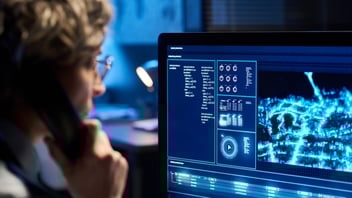
Reducing the time required to manage incidents and events that may threaten the physical security of assets and personnel is crucial for any organization. The ability of operators to automate response procedures plays a key role in achieving this. However, it is not always possible to respond to incidents as quickly as needed or to contain damage effectively, because physical security managers often face technological and organizational challenges that delay intervention and incident resolution.
Technological heterogeneity slows incident management
One of the main technological challenges that prevent faster incident management is the presence of fragmented physical security systems (video surveillance, access control, alarms, sensors) acquired over time from different vendors. These devices typically rely on proprietary technologies, may use different communication protocols, and are rarely integrated. In many cases, they are legacy systems using outdated technologies, making integration with modern solutions difficult.
The lack of integration between systems and the different formats in which they generate data complicates automated event analysis and correlation. In many organizations, Physical Security Information Management (PSIM) systems are absent, or even when present, they are not properly implemented or configured, limiting the staff’s ability to manage automated responses to events and incidents.
Other factors, such as limited PSIM functionality, the absence of a PSIM system, poorly dimensioned network infrastructure, or interoperability issues between physical security and IT systems, further reduce the ability to correlate devices, alarms, and events in real time.
Lack of assessment for real risks
From an organizational perspective, a major methodological gap in incident management is the absence of a proper assessment plan, which is essential to evaluate physical security risks effectively. Without a thorough assessment of the security infrastructure, companies risk investing in oversized measures where they are unnecessary and overlooking critical vulnerabilities that need attention.
Without an assessment, physical security managers may resort to tactical solutions that appear to solve immediate problems, instead of adopting a strategic approach that identifies root causes of vulnerabilities. The inability to implement a structured and systematic incident management methodology may stem from entrenched organizational culture, resistance to change, or a lack of skills and training. This results in poorly defined intervention procedures, insufficient automation rules, weak collaboration between security, IT, and operations teams, and a lack of structured post-incident analysis to understand where automation most effectively reduces response times.
Implementing advanced incident management technology
Alongside a proper methodological approach, upgrading physical security systems helps automate and standardize procedures to reduce response times in incident management.
-
Implementing and correctly configuring a PSIM system allows organizations to centralize situational awareness and provide coordinated, automated responses. Integrating the PSIM system with incident management (IM) software enables complete workflow automation, from initial alerts to incident resolution.
-
Integration between PSIM and IM capabilities is realized in end-to-end security management solutions such as Control 1st, which includes both a Monitoring & Control module for physical security information management and an Incident Management module. The latter provides workflow management features that help control room operators efficiently manage every phase of incident response, including visualization of procedures, automated decision steps, and operational guidance.
Moreover, if unified communication systems are installed in the organization to manage voice, video, and messaging centrally, operations coordination improves significantly. Control 1st integrates the Phone Bar module, allowing centralized management of all communications between the control room, organizational personnel, or response teams. The Phone Bar module enables direct call activation from the software interface, provides an integrated address book for quick access to contacts, and includes all functionalities required for real-time coordination of interventions.